What Influencers Need To Know About IP Law
Maybe it only started with a Smartphone, a Ring Light, and a desire to share a niche obsession or fledgling business idea on Instagram or TikTok. But when an influencer goes from self-starting to suddenly viral, they face a new reality: They have a brand to protect and content to copyright—they are now owners of intellectual property.
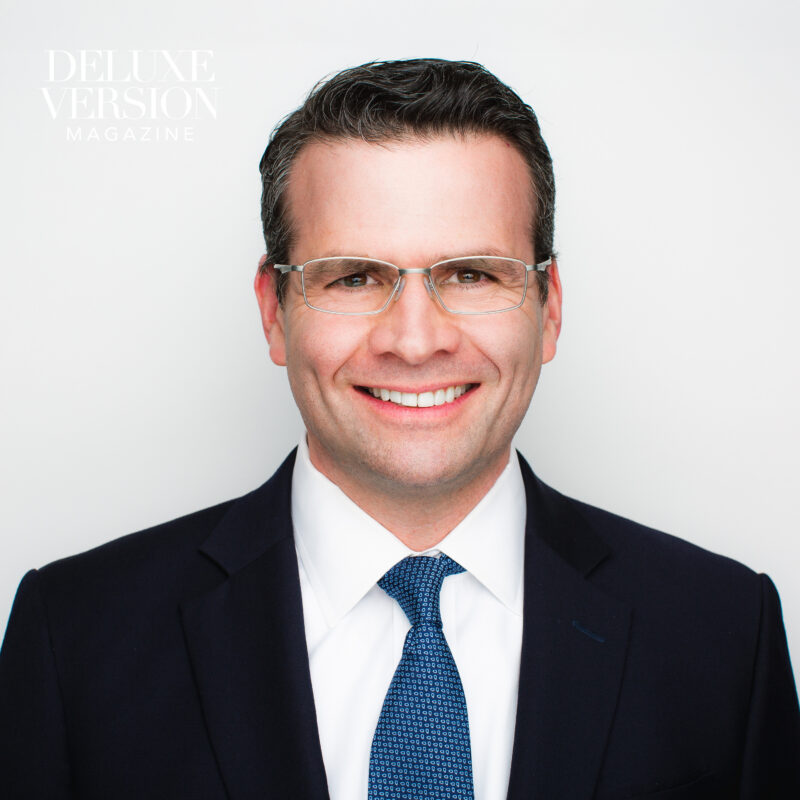
As an IP lawyer, Leo Kittay, Partner at premier intellectual property law firm Fross Zelnick, helps global icons, multi-national companies, and new ventures launch their brands. His clients have run the gamut from Sony Interactive to Peloton to Spindrift to Etsy. From his office overlooking New York City’s Times Square, he’s also been advising a new kind of client—social media influencers and YouTubers.
“Unlike movie studios and famous musicians and big companies, you’re evolving into a brand with by-the-bootstraps, guerilla marketing,” Kittay said of the typical influencer. “You’re starting to see some traction, and you see an opportunity for this to be a money-maker. That’s when it’s time to learn the basics of trademark law, which will protect your brand from now until the end of time, and of copyright law, which will help you protect the content that is the core of your business.”
For more than five decades, pre-eminent IP boutique law firm Fross Zelnick has been focusing exclusively on trademark and copyright protection. With clients including Warner Bros. and Chanel, Fross Zelnick is at once a legacy firm and a cutting-edge one, now guiding YouTubers and influencers on how to protect their IP as they mature into fully fledged brands.
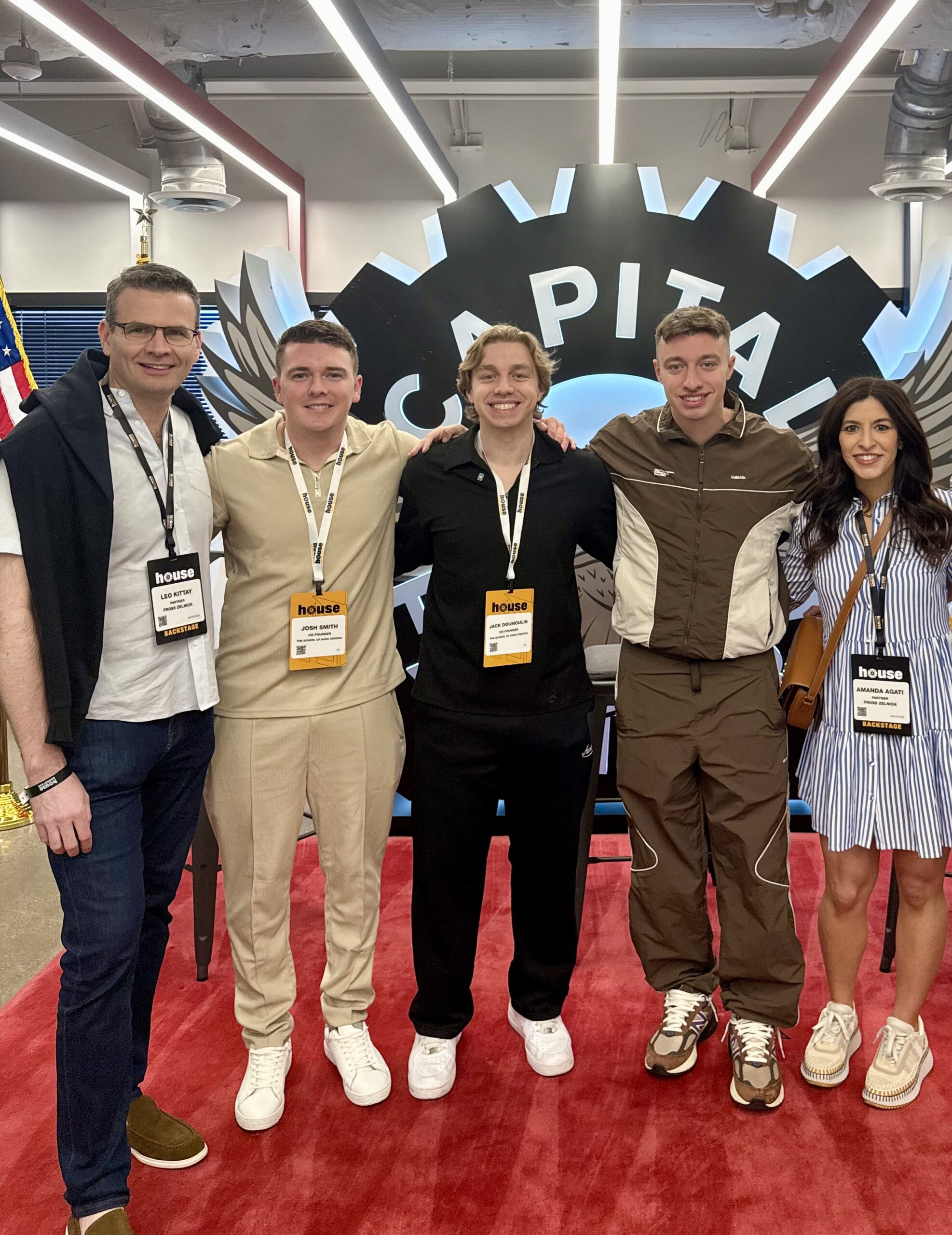
Kittay’s clients include: Overtime, the digital hub for Gen Z-centric sports fans with over 100 million followers; Betches Media, the massively popular, female-led entertainment brand; and the YouTubers behind School of Hard Knocks, a YouTube channel whose gonzo-style financial literacy videos are soaring up the platform’s charts.
In the smash-and-grab world of social media, Kittay outlines the essentials of IP that all budding influencers need to know to protect their trademarks and copyright.
Your trademark: “A trademark is a source identifier,” Kittay explained. “You can own a trademark in the United States just by being in the marketplace. You don’t need a trademark registration to own it, but any growing brand should want one, especially one in as brand-forward a space” as social media. “But you need to make sure that nobody else has prior rights to your trademark,” he warned. “And figuring that out, believe it or not, takes a trademark lawyer.” Another point Kittay emphasized: “You also want to learn ASAP whether you have picked a trademark that the law will help you protect. If it is too descriptive of your content, you may be out of luck.”
Here is another common question Kittay fields: Can you trademark your brand for merch and other commercial purposes? “Again, you want to make sure that the brand that you’re using won’t get you sued and is actually ownable,” Kittay said. “In order to do that, you have to talk to a lawyer.” Then, “once you’re confident that your brand is good to go, you can devote some initial early spend on trademark applications for your name, and next for your logo.” One big tip: As early as you can, consider filing for protection outside the U.S. in any countries that you think might be crucial for you in the next few years. Kittay cautioned, “It is a race to the trademark office in all of those countries, and if you are starting to develop some international fans now, somebody might snatch up your brand overseas.” As your brand continues to grow, your trademark rights can help you stop copycats, counterfeiters, and pirates. “You can’t let other people use your trademark without your permission, you will lose whatever rights you might have had,” Kittay said.
Your copyright: Unlike a trademark, copyright protection is all about the content itself—videos, images, and written materials. Copyright protection lasts many decades.
“However, you need to make sure that you own the copyright, and there are points to discuss with a lawyer to make sure you do,” Kittay said. “You may need additional agreements, and, if so, you want them to sign now, before your brand grows and you have a target on your back.”
Fross Zelnick also advises its clients on issues of fair use, marketing disclosures, and the data privacy law, which is a crucial area that applies to how you handle personal information from members of the public. Regulators in states across the country are enforcing these laws more than ever.
While all of this due diligence might sound complicated and scary, it is everyday business to IP lawyers. Reflecting on where his influencer and YouTuber clients began, Kittay has been gratified to see how he’s helped grow their IP.
“I’m happy to be a place that promising influencers come to when they’re like, ‘Oh God, I haven’t thought about that stuff enough.’”